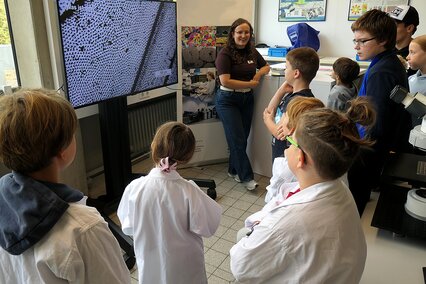
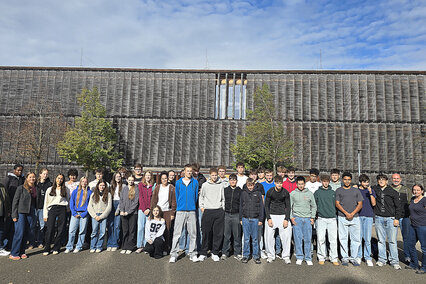
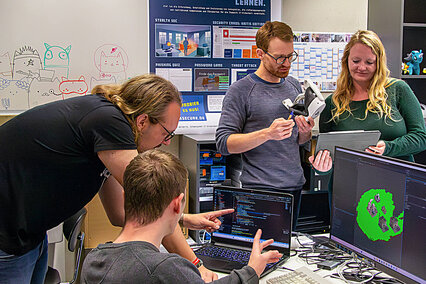
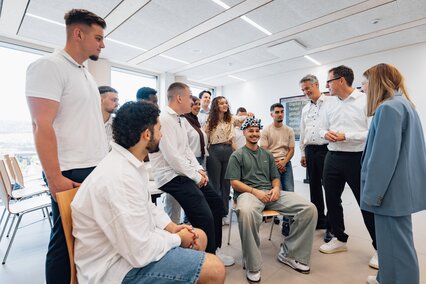
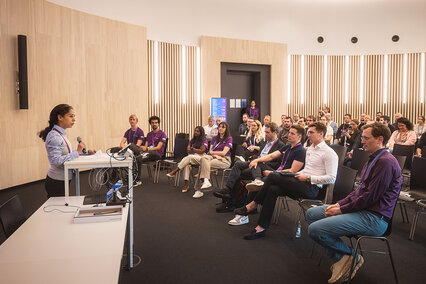
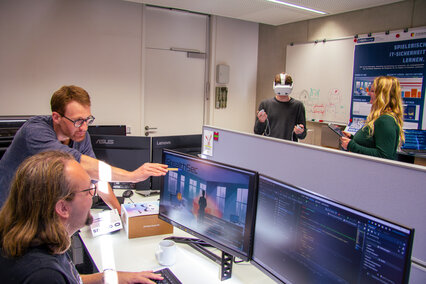
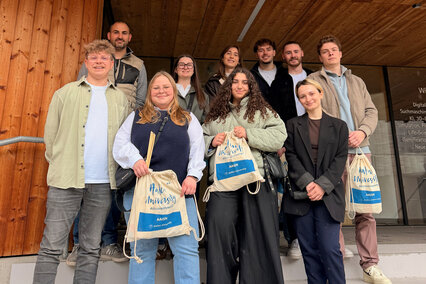
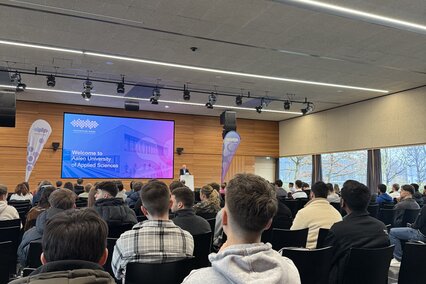
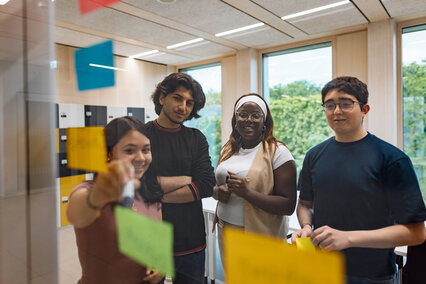
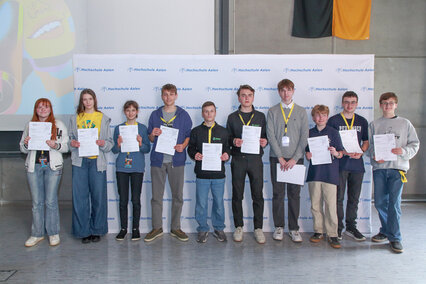
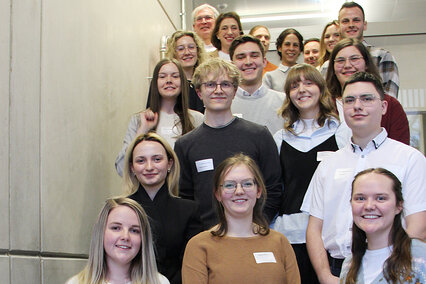
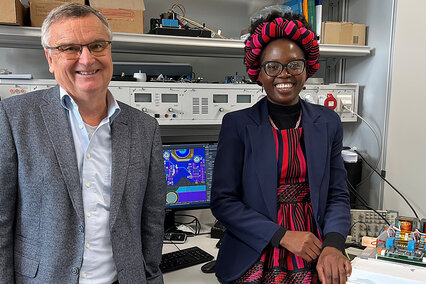
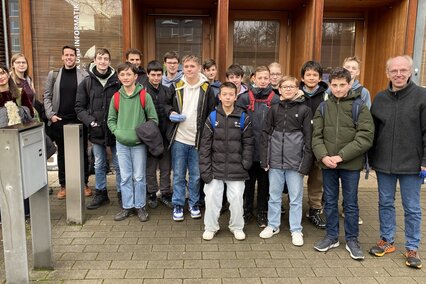
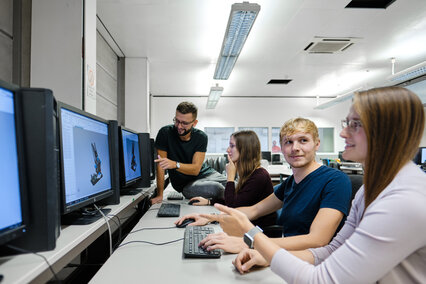
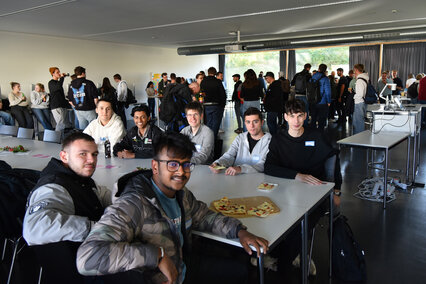
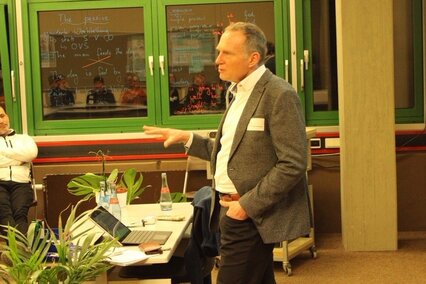
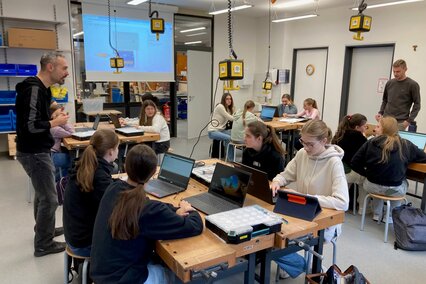
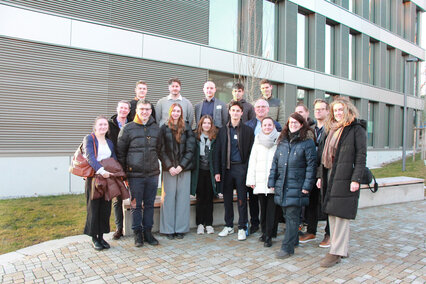
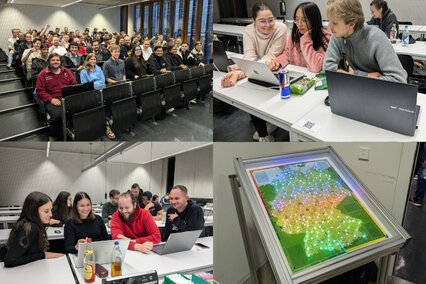
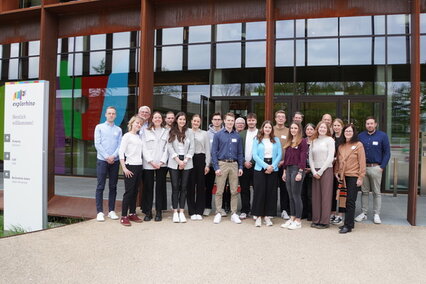
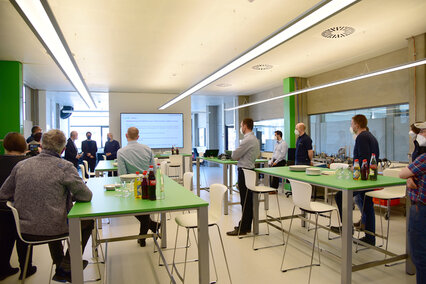
Under the guidance of Prof. Dr. Marcus Gelderie , the students learned just how exciting the field of cybersecurity is. Gelderie first gave a brief presentation on the BAKSecure project, after which the students were able to try out various cybersecurity educational games developed at the University of Applied Sciences on their own. These included, among others, “Critical Chains,” which playfully teaches about the effects on supply chains; “StealthSec,” in which participants took on the role of an attacker; as well as “SecurityCards KRITIS Edition” and the VR game “Password Game.” The program was supplemented by games from the predecessor project, BAKGame, such as a phishing quiz.
Robots in Everyday Life – Technology That Inspires
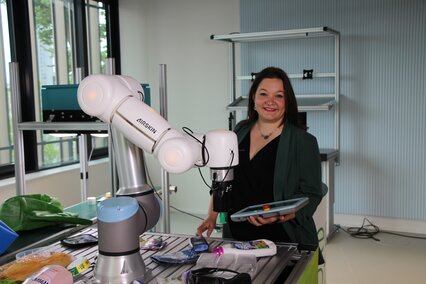
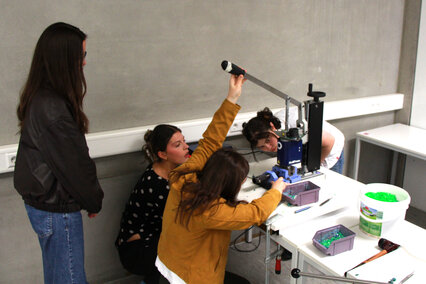
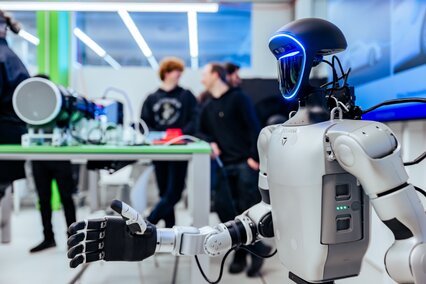
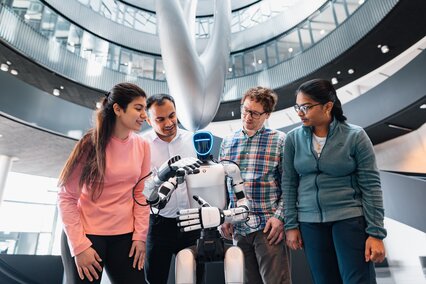
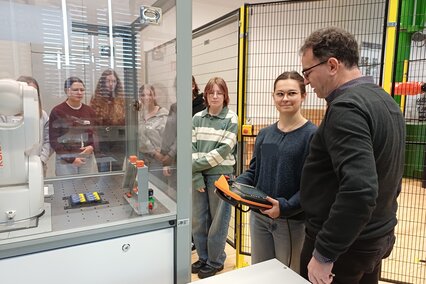
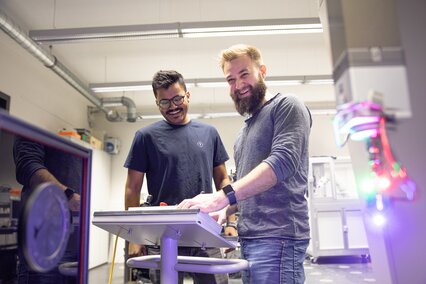
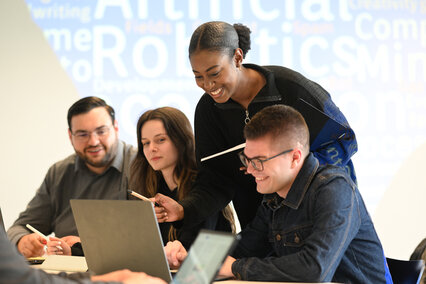
In the Robotics and Automation Laboratory, participants gained insight into the diverse applications of modern robotic systems. Prof. Dr. Markus Glück presented various types of robots—from classic industrial robots to Delta and SCARA robots, and on to mobile and humanoid systems. The structure and basic functioning of a robotic arm were then explained. In the subsequent “robot training session,” the tenth-graders were able to get hands-on experience, program a training cell, and learn about the possibilities of automated handling tasks. Another key focus was on collaborative robots (cobots), which enable direct collaboration between humans and machines thanks to integrated safety features.
Health Heroes—The Path Between IT, Medicine, and Management
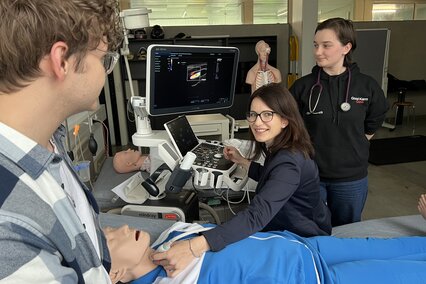
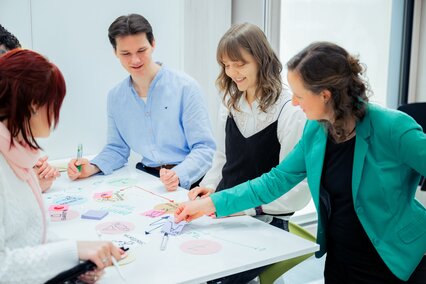
The medical technology Study Programmes, as well as the Physician Assistant and Health Management degree programs, provided the students with exciting insights into the various opportunities for studies in the healthcare field. They also had the chance to get hands-on: for example, they developed ideas on how to make the emergency response chain faster and more efficient. As part of the Physician Assistant program, they practiced using a pulse oximeter, blood pressure monitor, and reflex hammer, gaining hands-on experience with medical care. And in the Health Management program, the focus was on stress.
Insights into AI and Robotics at the Center for Optical Technologies
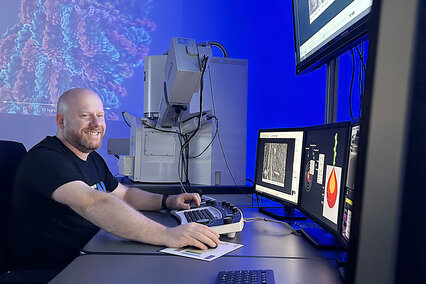
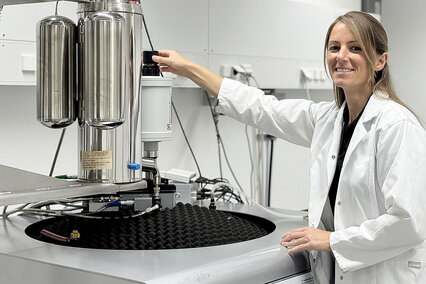
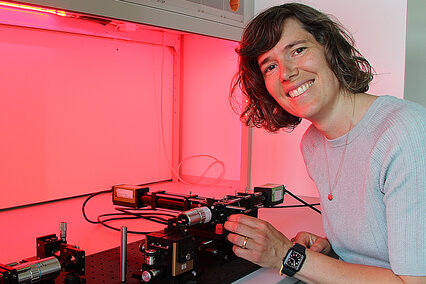
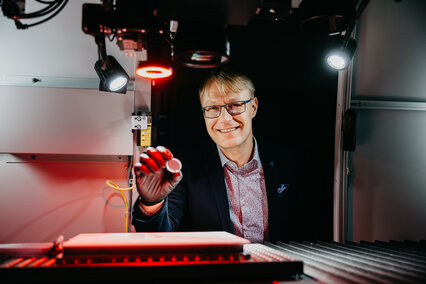
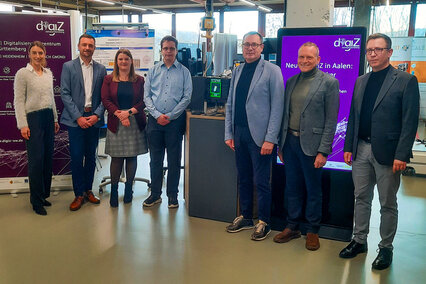
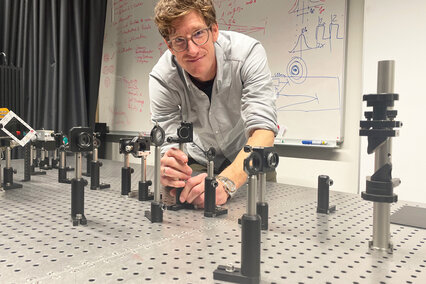
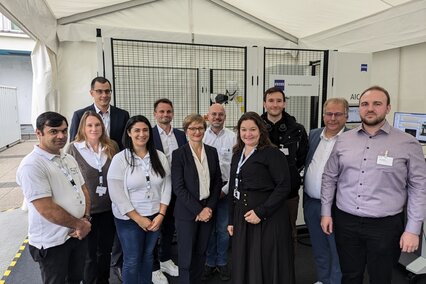
At the Center for Optical Technologies (ZOT), there was a brief introduction to artificial intelligence (AI). Nico Zettler, a research assistant at the ZOT, explained their current applications as well as future developments—and provided a practical example of their use in industrial surface polishing. Afterward, the students were able to gain hands-on experience with a collaborative industrial robot (UR3e). Under the guidance of research assistant Adam Wilczek, the participants learned how to control the robot and program simple movement sequences. Together, they created a program in which the robot used a suction cup to transport candy and distribute it to the participants.
Teachers Were Also Enthusiastic
The diverse program appealed not only to the students’ interests. The accompanying teachers from the language department also gained valuable ideas for interdisciplinary learning in the classroom and gained interesting subject-specific insights beyond their own subject areas. According to one accompanying teacher, this kind of opportunity to think outside the box is rarely available to teachers and represents a real enrichment, especially in light of the current programs offered at the University of Applied Sciences.