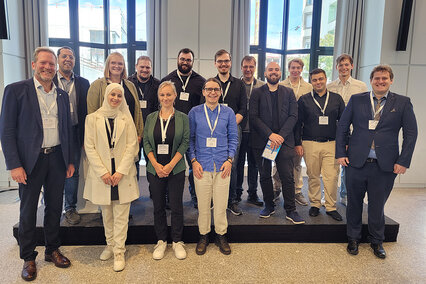
The German Battery Forum took place in Berlin from January 21 to 23, 2025—a highlight for everyone who wants to shape the future of battery technology. The event brought together experts from academia, industry, and politics and highlighted the key role of batteries in the 21st-century energy and mobility transition. Under the theme “The Future of Battery Technology,” discussions about innovations and new trends in the industry were a central focus.
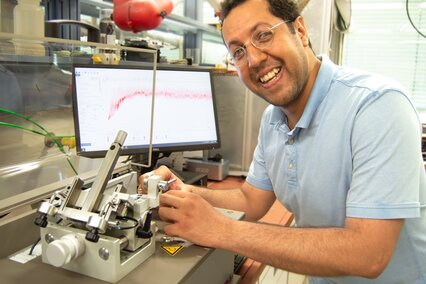
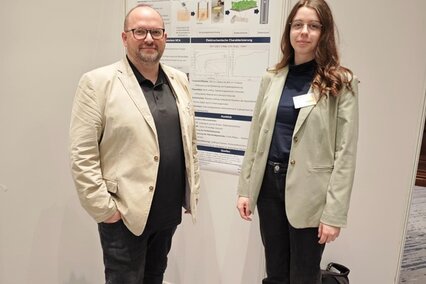
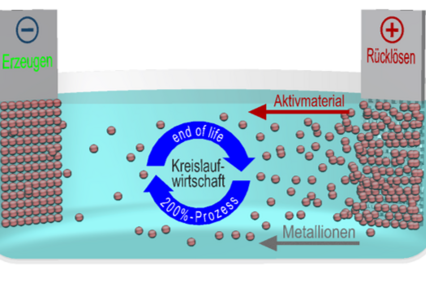
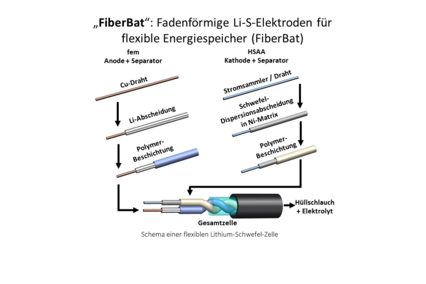
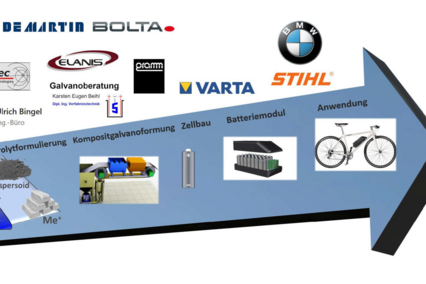
The Center for Electrochemical Surface Technology (ZEO) at Aalen University of Applied Sciences was represented by Ms. Lena Meixner and Mr. Oliver Kesten, who presented current research findings that offered exciting insights into the development of new battery technologies.
Dr. Michael Krausa, Managing Director of KLiB (Competence Network for Lithium-Ion Batteries), kicked off the event with a warm welcome, followed by an opening address by Dr. Peter Lamp, Chairman of the KLiB Board. In their welcoming remarks, prominent figures from politics and research emphasized how crucial it is to advance battery research in Germany and Europe. Prof. Dr. Martin Winter, Chair of the BMBF Advisory Board on Battery Research, highlighted the high priority this technology holds for the future of German industry. Dr. Karl-Eugen Huthmacher, State Secretary at the Federal Ministry of Education and Research (BMBF), also sent an encouraging message: Despite a general spending freeze, 25 million euros are available for eligible projects.
A highlight of the event was the banquet on Tuesday evening, at which Cem Özdemir, Federal Minister of Food and Agriculture as well as Education and Research, delivered an inspiring speech. He spoke about the importance of sustainable battery technology for Germany as a business location and called on the participants to work together to find innovative solutions to the industry’s challenges.
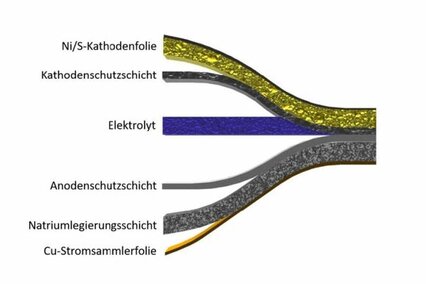
A hotly debated topic was the development of sodium-ion batteries, which are considered a promising alternative to established lithium-ion batteries, particularly the more affordable variants such as LFP batteries. This technology could not only reduce production costs but also help create new markets.
The tight raw materials markets in Europe, particularly for lithium and graphite, were also a focus of attention. The rising demand for batteries for electric mobility and stationary storage poses challenges for Europe’s supply chain. It was therefore hardly surprising that the importance of a functioning circular economy was emphasized in many discussions. A sustainable supply of raw materials requires a strong, integrated ecosystem. A particularly important aspect here is black mass, which is recovered during battery recycling and contains valuable raw materials such as lithium, nickel, cobalt, and graphite.
In this context, the battery passport was also highlighted as a crucial tool for the circular economy. Starting in 2027, it will be mandatory for all batteries in the EU. The battery passport is a digital system that documents the origin and composition of batteries, thereby enabling transparent traceability and effective recycling. This will not only optimize resource use but also pave the way for a more sustainable second life for batteries.
The conference also featured a variety of exciting presentations and panel discussions on the latest technologies and business models that could revolutionize the battery industry. A particularly impressive presentation was given by Dr. Fabrice Stassin, Secretary General of the Batteries European Partnership Association (BEPA), who outlined the European strategy for battery research and innovation. Other presentations focused on battery cell production and the question of how Europe can strengthen its position in the face of global competition.
By the end of the event, it was clear that battery research and production in Europe play a key role for the future. Through increased collaboration between industry, academia, and policymakers, targeted investments, innovation, and the removal of regulatory barriers, the competitiveness of the European battery market can be secured and expanded.
A heartfelt thank you to all participants and organizers for this inspiring and insightful Battery Forum Germany 2025. We look forward with great interest to the next steps in the development of a sustainable battery industry.