Laboratory / lab Actuators, sensors and system dynamics

Welcome to our laboratory!

The Laboratory for Actuators, Sensors and System Dynamics is part of the Faculty of Optics and Mechatronics. In addition to the basic technologies and applications of actuators and sensors in mechatronic systems, the focus here is on innovative actuators made of shape memory alloys (SMA).

Who is part of the lab team?

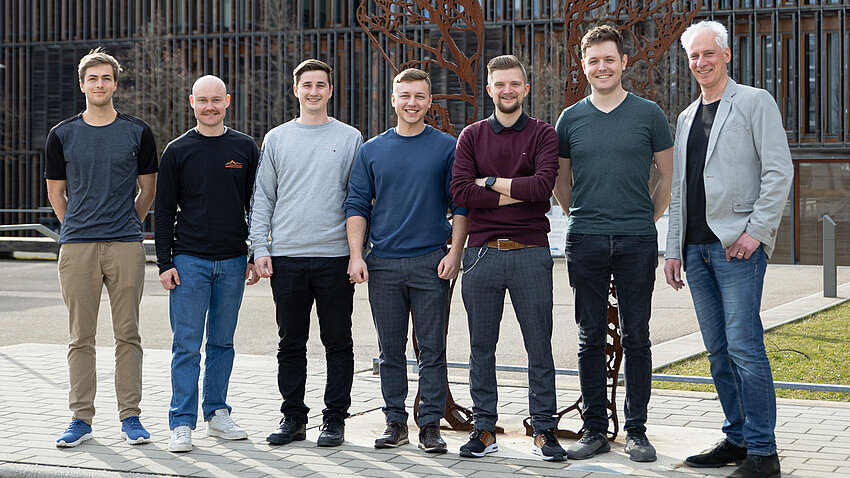
Prof. Dr. Arif Kazi (right) with his team.

The core of the SMA working group consists of a doctoral student and a number of students from the research master's program. The Advanced Systems Design research master's degree offers students the opportunity to work on their own research topic in the laboratory over several semesters. The team is complemented by other students who complete their final theses or mechatronic projects in the laboratory. Prof. Dr. Arif Kazi is closely involved in the individual projects. Interested students are actively involved in the ongoing research activities.

Contact person

Research in the laboratory

The Laboratory for Actuators, Sensors and System Dynamics conducts research in the field of model-based development of innovative drive systems. The core area of our work is the development of actuators based on shape memory alloys (SMA). We deal with the experimental characterization of shape memory wires. The measurement results are used to develop models that represent the complex non-linear behavior of shape memory wires. The models are used in the development and control of shape memory actuators for various applications, but also in the analysis of the behavior of actuator prototypes.

Teaching in the laboratory

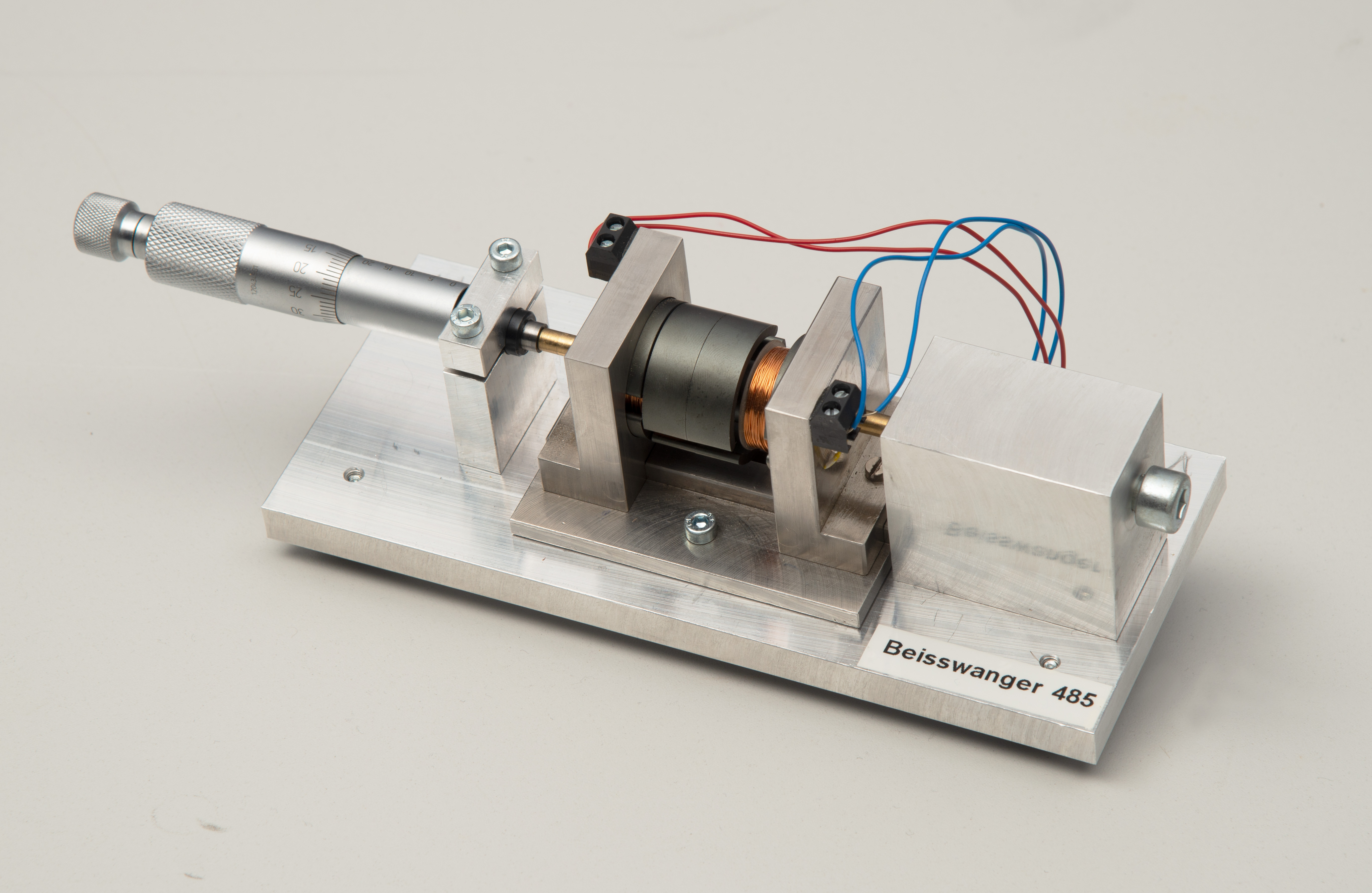
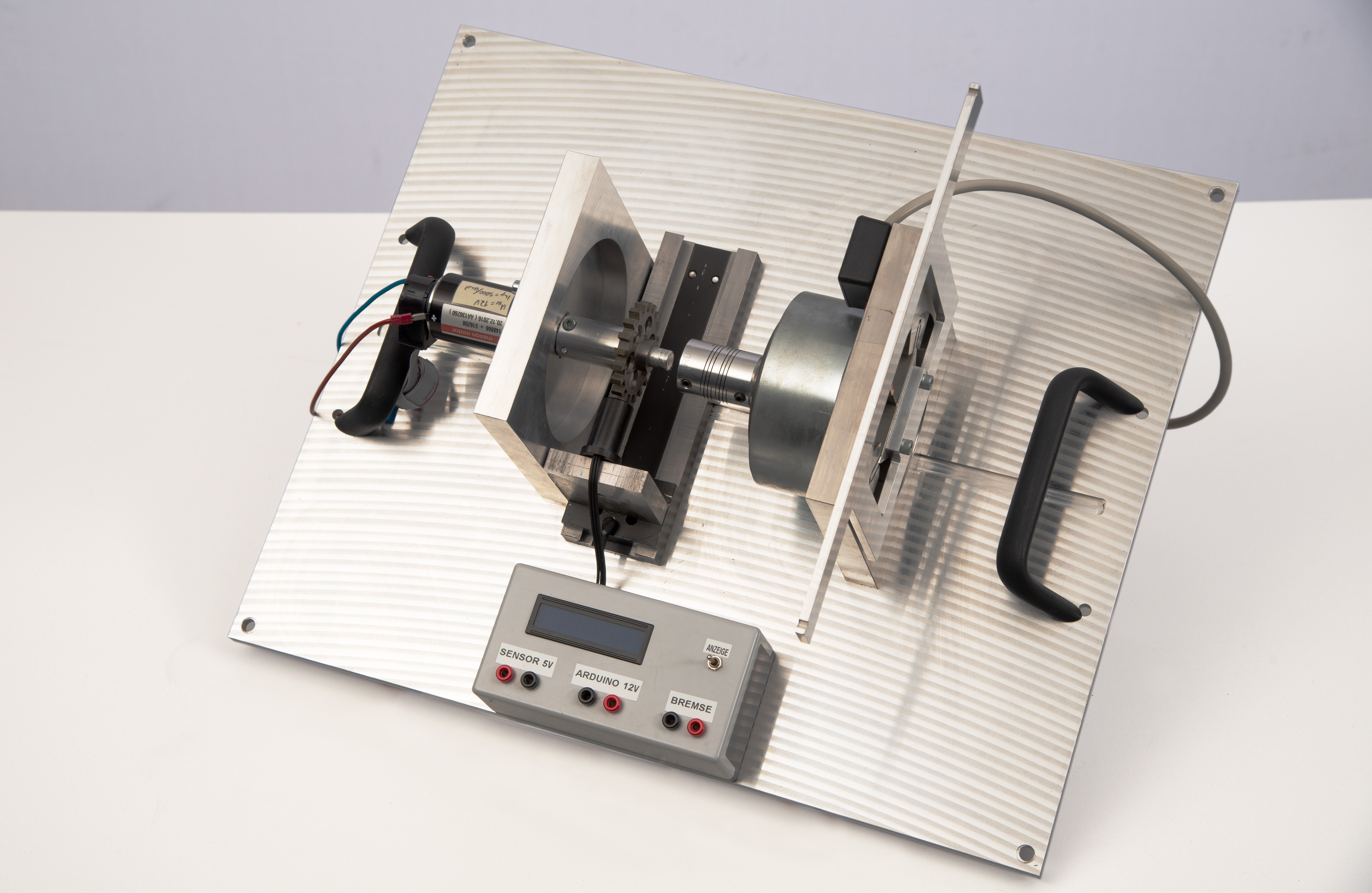
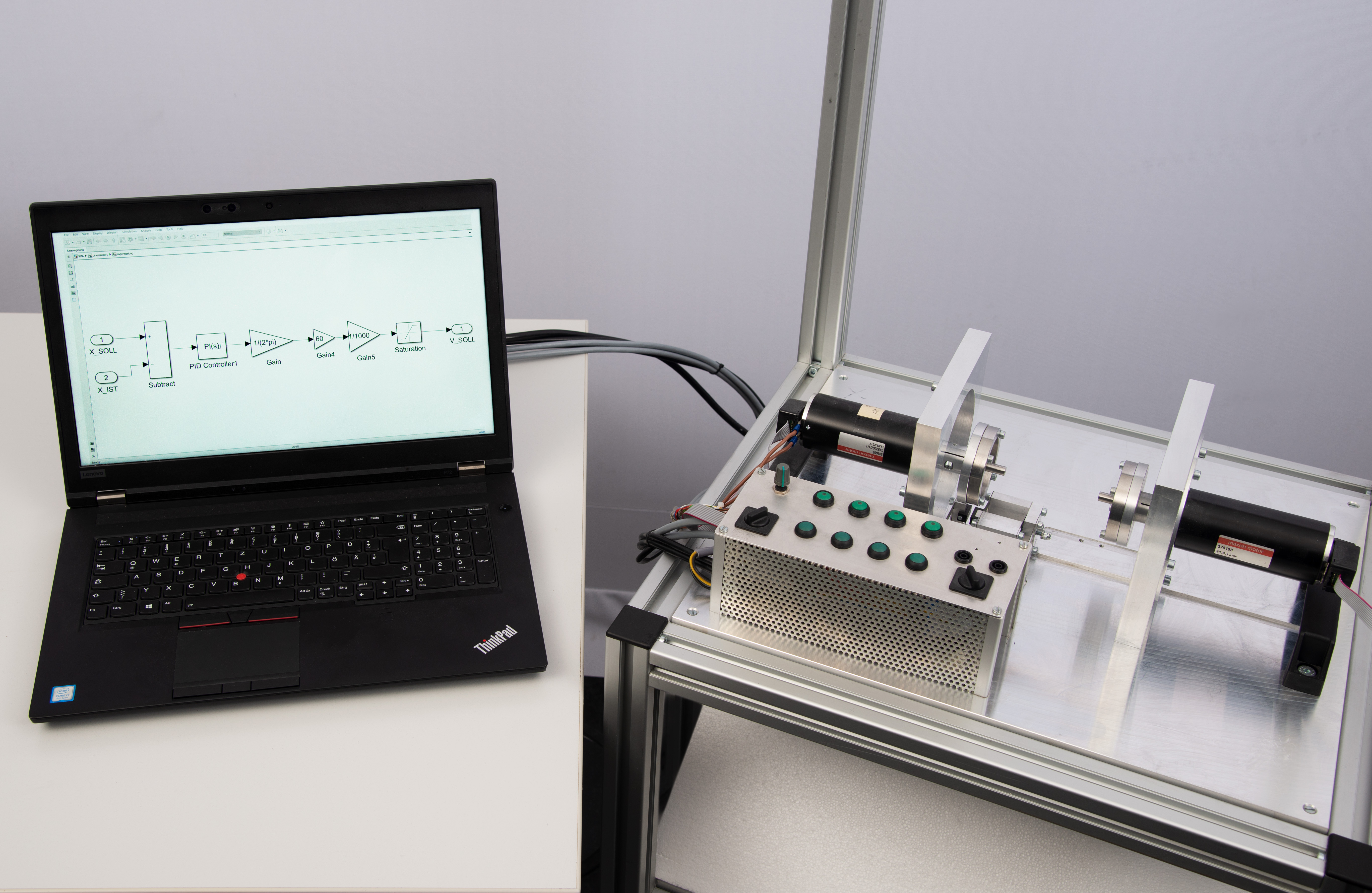
Practical relevance is the top priority in teaching at Aalen University. For this reason, the contents of the lectures on sensor technology, drive technology and mechatronic systems are supplemented by laboratory experiments in our laboratory. Additional laboratory experiments can be carried out by interested students on a voluntary basis.

The laboratory experiments are usually carried out in small teams. The experimental set-ups are usually developed by students for students. Accordingly, the aim is not to record simple series of measurements with highly optimized industrial products, but to do some detective work: Where does this effect come from? Why does this characteristic curve look different from what theory predicts? This is very similar to what engineers experience in their professional practice.